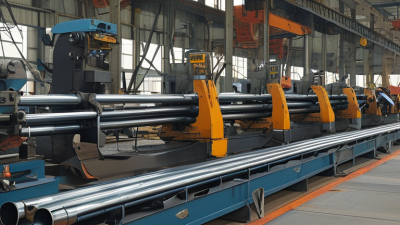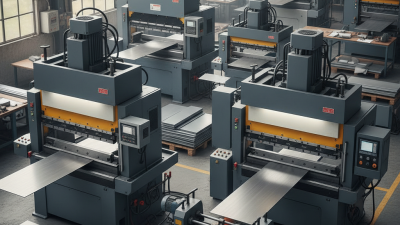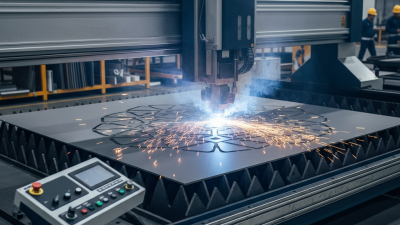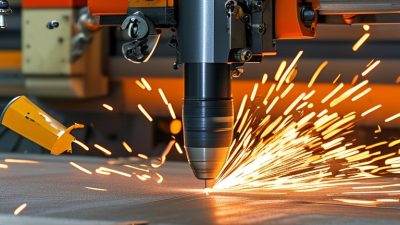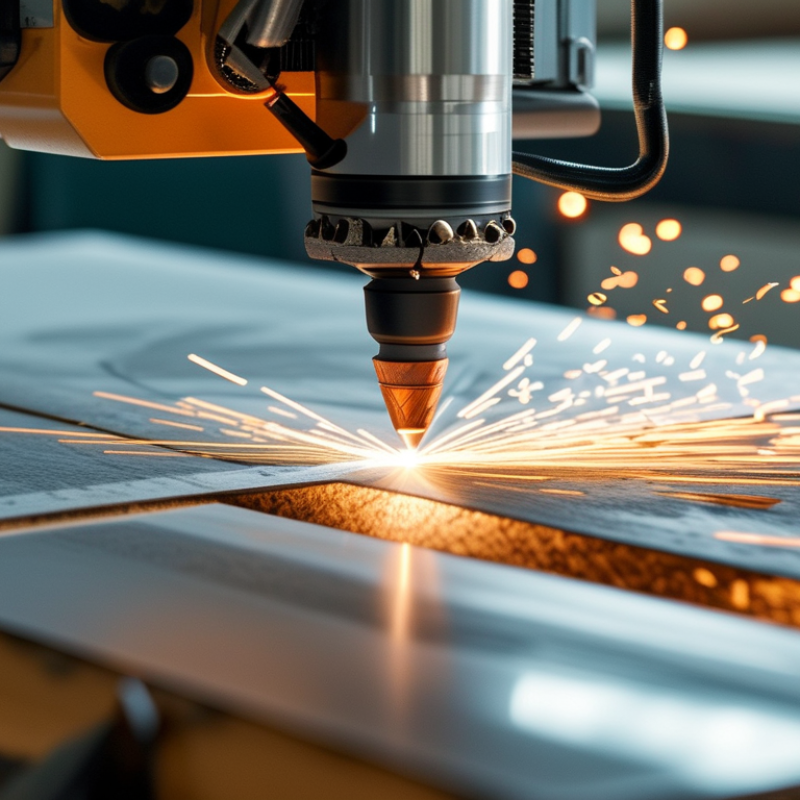
Choosing a tube cutting machine starts with the material, tolerance, and required output. A fiber laser usually delivers narrow kerfs, low mechanical force, and clean edges on thin and medium-wall tubes. A cold saw can provide excellent dimensional consistency on high-volume steel work, but it may create burrs and require tool changes. Plasma cuts faster on thicker sections, although its heat-affected zone and edge taper can reduce precision.
Compare the complete process, not only the cutting head. Check positioning accuracy, repeatability, acceleration, loading time, and tube rotation control. A machine that cuts quickly may still lose production time during setup or manual unloading. According to Grand View Research’s 2024 analysis, the global laser cutting machine market was estimated at about 5.3 billion dollars in 2023. That growth reflects demand for flexible, automated cutting systems, not speed alone.
Automation matters.
World Robotics 2024 reported 541,302 industrial robot installations worldwide in 2023. This trend supports automated loading, sorting, and inspection around tube cutting cells. Ask for measured samples using your actual diameter, wall thickness, and alloy. Inspect the first and last parts from a production batch. I would not trust a brochure tolerance without those tests. Also compare maintenance access, assist-gas use, blade or nozzle costs, and software training. The fastest machine on paper may become slower when operators correct heat distortion, burrs, or inaccurate nesting. Allow some uncertainty; real workshops are rarely as clean as demonstrations.