How to Choose the Best CNC Cutting Machine for Your Business?
Choosing the right CNC cutting machine is crucial for any business focused on precision manufacturing. A good CNC cutting machine can enhance productivity and reduce waste. Yet, the decision-making process can be overwhelming due to various options available.
When selecting a CNC cutting machine, consider key factors like material types and production volume. Each machine has its strengths and weaknesses. It's essential to evaluate your specific needs. Sometimes, a more expensive machine may not be the best fit. Reflect on your long-term goals. Think about how the machine will adapt to future demands.
Ultimately, investing in a CNC cutting machine requires careful consideration. Rushing the decision may lead to regrettable outcomes. Balance your budget with the technology that meets your requirements. Taking the time to understand your options can significantly impact your business efficiency and growth.
Understanding the Different Types of CNC Cutting Machines Available
When selecting a CNC cutting machine for business needs, understanding the various types is crucial. CNC machines can generally be classified into laser, waterjet, plasma, and router machines. According to industry reports, laser machines are favored for their precision, enabling cuts with tolerances of up to ±0.01 mm. This level of accuracy is essential in industries like aerospace and medical device manufacturing, where even slight deviations can lead to costly errors.
Waterjet cutting machines, known for their versatility, can handle materials ranging from metals to glass. They work by using a high-pressure stream of water mixed with abrasive particles. This technology not only reduces heat-affected zones but also allows for intricate designs that would be impossible with conventional methods. As reported by industry analysts, the waterjet market is projected to grow at a CAGR of 7% over the next five years, emphasizing its rising significance in cutting applications.
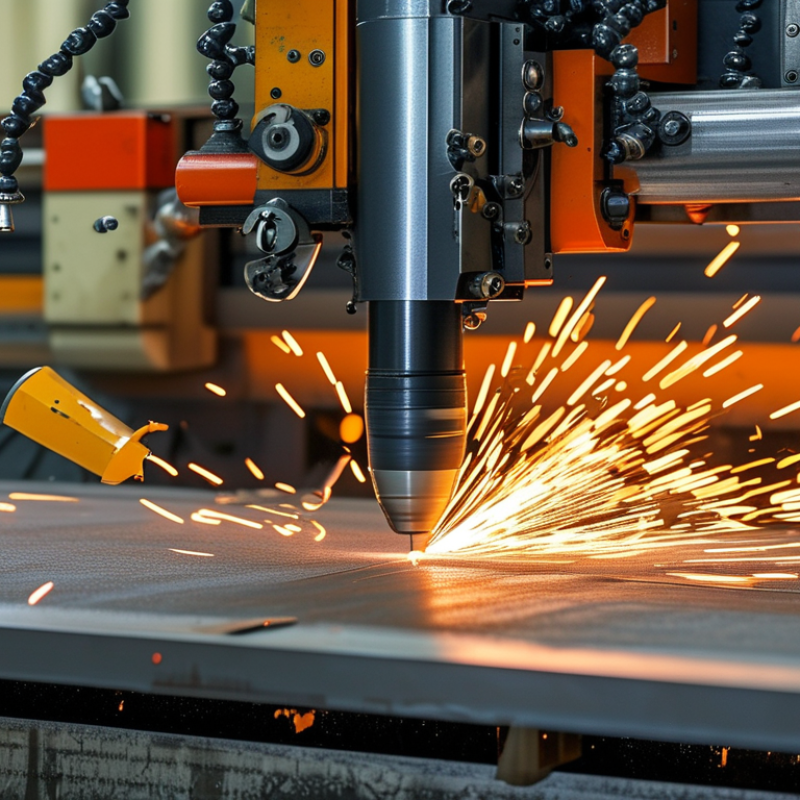
On the other hand, plasma cutters are competitive in speed and cost-effectiveness, making them ideal for thick metal sheets. Their productivity can be advantageous, but they may not achieve the same finish quality as laser or waterjet options. Ultimately, the decision on which CNC cutting machine to choose must reflect specific business requirements, material types, and desired output quality. Each machine has its strengths and weaknesses, requiring businesses to carefully evaluate their goals and constraints.
How to Choose the Best CNC Cutting Machine for Your Business? - Understanding the Different Types of CNC Cutting Machines Available
| Machine Type |
Cutting Method |
Material Compatibility |
Typical Applications |
Price Range (USD) |
| Plasma CNC Cutter |
Plasma Cutting |
Steel, Aluminum, Copper |
Metal Fabrication, Automotive Industry |
$5,000 - $30,000 |
| Laser CNC Cutter |
Laser Cutting |
Wood, Plastic, Metal |
Signage, Packaging, Arts & Crafts |
$10,000 - $150,000 |
| Waterjet CNC Cutter |
Water Jet Cutting |
Metal, Glass, Stone, Ceramic |
Aerospace, Architecture, Manufacturing |
$50,000 - $300,000 |
| Router CNC Machine |
Router Cutting |
Wood, Plastic, Composite |
Furniture, Models, Prototyping |
$3,000 - $30,000 |
| Vinyl Cutter |
Cutting Plotter |
Vinyl, Paper, Cardstock |
Sign Making, Apparel Decor, Stickers |
$200 - $5,000 |
Key Factors to Consider When Choosing a CNC Cutting Machine
When selecting a CNC cutting machine, it’s vital to assess key factors that influence performance and adaptability. The size and type of materials you plan to cut directly impact your choice. Many businesses report that investing in a machine designed for specific materials boosts efficiency and precision. For instance, a survey by Statista indicates that companies prioritizing material compatibility saw a 30% improvement in production speed.
Another critical aspect to consider is the machine's versatility. Many CNC machines can adapt to various cutting techniques. However, not all machines are equal. Research shows that more advanced models offer customizable settings, allowing for intricate designs and reduced waste. A recent industry report highlighted that 70% of manufacturers value flexibility in their CNC machinery.
Lastly, consider the technology and software integrated into the CNC machine. Modern systems equipped with advanced software can enhance user experience and functionality. However, complexity can lead to a steep learning curve. A study published in the Journal of Manufacturing Processes found that businesses faced a 25% delay in production when transitioning to more complex CNC systems. Careful evaluation of these factors can help you make an informed decision for your business.
Assessing Your Business Needs and Production Requirements
When selecting a CNC cutting machine, understanding your business needs is crucial. Assess your production volume first. A high output demand may require a larger machine with faster cutting speeds. If your projects are smaller, a compact model may suffice. Think about the materials too. Different machines excel with specific substrates, such as metal, wood, or plastics.
Analyzing your workspace is also important. You need adequate space for the machine and easy access for maintenance. Consider the integration with your existing processes. A machine that fits seamlessly into your workflow boosts efficiency. Sometimes, businesses overlook the learning curve associated with new machinery. Can your team adapt quickly?
Reviewing your budget is essential. Costs can vary widely. Beyond the machine price, factor in maintenance, software, and training expenses. Reflect on the long-term benefits versus the initial investment. Balancing these aspects may lead to difficult choices. The decision should align with your overall production strategy. Being clear about what you really need will streamline the selection process.
Budgeting: Cost Considerations for CNC Machines and Maintenance
When considering a CNC cutting machine for your business, budgeting is crucial. The initial cost of the machine itself can vary greatly. A lower price might attract you, but maintenance costs can add up. Look beyond the sticker price. Some machines have hidden costs that can strain your budget over time.
Regular upkeep is essential for optimal performance. Budgeting for maintenance is often overlooked. Routine servicing, software updates, and replacement parts are necessary. These costs can quickly become significant. If you skimp on maintenance, you risk breakdowns that disrupt production and lead to higher repair costs.
Consider the longevity of the machine as well. Cheaper machines might need to be replaced sooner. Investing more upfront can save you money later. Think about your production needs. A higher initial investment may lead to better efficiency and fewer headaches in the long run. Balancing initial costs and long-term expenses is key.
Evaluating Suppliers and Warranties for CNC Cutting Machines
When evaluating suppliers for CNC cutting machines, consider several critical factors. Supplier reputation is paramount. According to industry reports, around 30% of businesses faced equipment failures due to inadequate supplier support. Research potential suppliers thoroughly. Look for those with positive reviews and strong customer support.
Warranties also significantly impact your decision. A comprehensive warranty can save substantial costs in the long run. Many reputable suppliers offer warranties that cover parts and labor for up to three years. These warranties reflect their confidence in the quality of their machines. It’s worth asking suppliers about their warranty terms to ensure your investment is protected.
Reflect on your specific needs when choosing a supplier. Not every supplier will cater to your business size or industry. Understand your unique demands. This alignment can affect machine performance. If a supplier doesn't meet your requirements, you might encounter ongoing issues. Always request detailed information about the warranty coverage and any exclusions. Having clarity helps you make informed decisions and avoid surprises later.
Comparison of Key Features in CNC Cutting Machines