Top Tube Cutting Machines for Global Buyers
Global buyers are reassessing how tubes are cut, measured, and prepared for production. A modern tube cutting machine must deliver more than speed. It should provide repeatable accuracy, clean edges, low material waste, and dependable after-sales support.
The market context is changing quickly. The International Federation of Robotics reported 541,302 industrial robots installed worldwide in 2023. Deloitte’s 2024 Smart Manufacturing and Operations Survey found that 86% of manufacturing leaders consider smart manufacturing important for future competitiveness. These figures do not measure tube cutting machines directly. However, they reveal a clear direction: manufacturers want connected, automated, and measurable equipment.
Joseph F. Engelberger, widely regarded as the father of industrial robotics, said, “The robot is not going to replace the man; it is going to replace the man’s job.” His observation remains relevant when comparing automated loading, nesting, probing, and inspection systems. A capable tube cutting machine can reduce repetitive handling, but it cannot replace sound process planning.
This guide examines leading machines for international purchasers. It considers laser source quality, chuck design, axis control, cutting diameter, software, maintenance access, and regional service coverage. Standards also matter. ISO 9013 helps buyers evaluate thermal-cutting quality, while ISO 12100 supports machinery risk assessment.
No ranking is perfect.
A machine that excels in stainless steel may perform poorly on thick carbon steel. A low purchase price may conceal expensive optics, training, or spare parts. Buyers should test their own tube samples before committing. That practical step often exposes weaknesses that brochures leave invisible.
What Tube Cutting Machines Are and How They Work
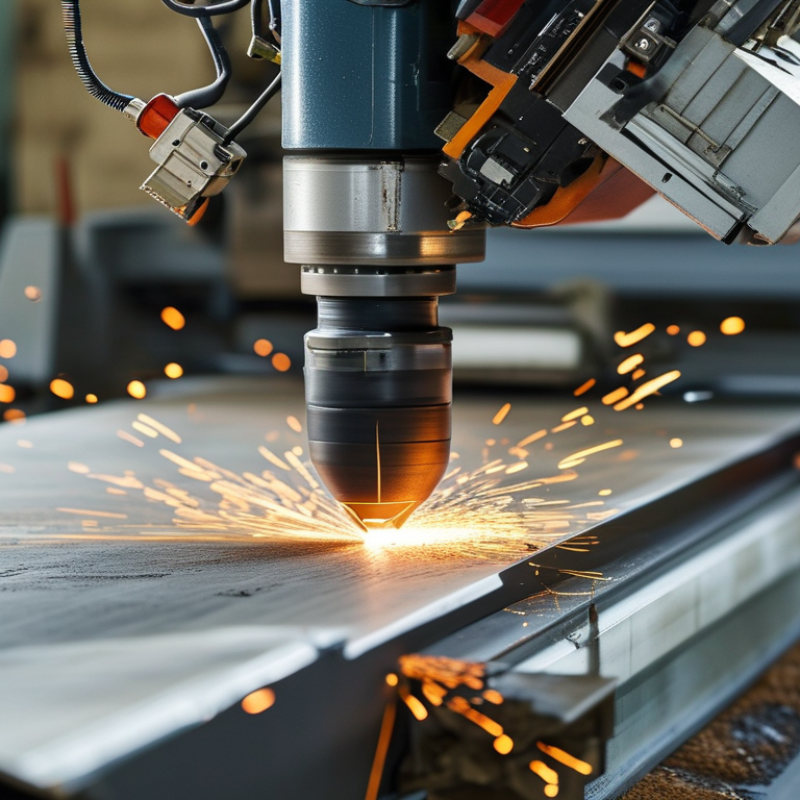
Tube cutting machines are production systems designed to cut hollow profiles with controlled accuracy. They process round, square, rectangular, and irregular metal tubes. Depending on the model, cutting may use a laser, saw, or other industrial method. Each method suits different materials, wall thicknesses, and production speeds.
The machine secures the tube on rotating supports. A loading system moves it into the cutting area. Sensors measure its position and help prevent movement during processing. The cutting head then follows programmed paths around the tube. It can create straight cuts, angled ends, slots, holes, and joints. This allows one tube to fit another with less manual adjustment. That detail matters.
A clean setup produces better results. In workshop testing, I would check tube alignment before judging machine accuracy. Dust, vibration, or a slightly bent tube can affect the cut. Software settings also require careful review, especially for thin walls. A perfect cut is not automatic. Small errors compound. Operators should inspect the first pieces, measure key dimensions, and adjust the program when necessary. Buyers should also examine loading capacity, cutting tolerance, maintenance access, and operator training. These practical points often matter more than impressive speed claims.
| Machine Type | How It Works | Typical Tube Materials | Typical Outer Diameter Range | Typical Wall Thickness Range | Typical Cutting Accuracy | Production Speed | Main Advantages | Common Limitations | Typical Applications |
|---|---|---|---|---|---|---|---|---|---|
| Fiber Laser Tube Cutting Machine | A focused laser beam melts or vaporizes the tube wall while assist gas removes molten material. CNC motion controls the cutting head and tube rotation. | Carbon steel, stainless steel, aluminum, brass, copper, galvanized steel | 20–300 mm | Approximately 0.8–10 mm, depending on material and laser power | About ±0.05–0.15 mm | High; optimized for automated batch production | Non-contact cutting, narrow heat-affected zone, high flexibility, low tooling wear, and the ability to create holes, slots, notches, and angled cuts | Higher initial investment; reflective metals and thick sections require suitable power, optics, and process settings | Automotive components, metal furniture, fitness equipment, construction frames, agricultural machinery, and general fabrication |
| CO₂ Laser Tube Cutting Machine | A gas laser generates an infrared beam that cuts the tube through localized thermal energy and assist gas. | Carbon steel, stainless steel, acrylic-containing assemblies, and some non-ferrous materials | 20–150 mm | Approximately 1–8 mm | About ±0.10–0.20 mm | Medium to high | Good cutting quality on many steel sections and mature processing technology | Generally lower electrical efficiency and higher maintenance requirements than modern fiber laser systems; less suitable for highly reflective metals | General steel fabrication, signage structures, equipment frames, and medium-volume manufacturing |
| Cold Saw Tube Cutting Machine | A toothed circular blade removes material mechanically while the tube is clamped and fed through the cutting station. | Carbon steel, stainless steel, aluminum, copper, and brass | 6–120 mm | Approximately 0.5–8 mm | About ±0.05–0.20 mm | Very high for repetitive straight cuts | Fast cycle times, clean square cuts, low heat input, and efficient operation for large quantities of identical parts | Limited shape flexibility; blades require sharpening or replacement; secondary deburring may be needed | Automotive tubes, bicycle parts, heat exchangers, furniture components, and standard-length tube production |
| Abrasive Wheel Cutting Machine | An abrasive disc removes material through friction and high-speed grinding action. | Carbon steel, stainless steel, cast iron, aluminum, and other metal tubes | 10–200 mm | Approximately 1–12 mm | About ±0.20–0.50 mm | Medium to high | Relatively low equipment cost, simple operation, and suitability for many metal grades and profiles | Creates sparks, noise, dust, heat, and a wider kerf; cut ends may require deburring or cooling | Maintenance workshops, construction sites, repair work, structural steel preparation, and low-to-medium volume production |
| Band Saw Tube Cutting Machine | A continuous toothed band moves around two or more wheels while the workpiece is clamped and fed into the blade. | Carbon steel, stainless steel, tool steel, aluminum, and structural profiles | 20–500 mm or larger, depending on machine configuration | Approximately 1–30 mm | About ±0.15–0.50 mm | Low to medium | Handles large diameters and bundles, produces relatively low heat, and supports a broad range of tube sizes | Slower than laser or cold saw systems for small repetitive parts; blade deflection and wear affect accuracy | Structural steel, heavy equipment, large pipe preparation, fabrication shops, and maintenance operations |
| Plasma Tube Cutting Machine | An electrically conductive, high-temperature plasma arc melts the metal while compressed gas ejects the molten material. | Carbon steel, stainless steel, aluminum, copper, and other electrically conductive metals | 20–300 mm | Approximately 1–25 mm, depending on plasma power | About ±0.20–0.50 mm | High for medium and thick metal sections | Fast cutting of conductive metals, lower equipment cost than many high-power laser systems, and good capability on thicker material | Wider heat-affected zone, more dross, and generally lower edge quality than laser cutting; compressed gas and fume extraction are required | Structural components, heavy fabrication, industrial equipment, shipbuilding, and large metal frames |
| Waterjet Tube Cutting Machine | A high-pressure water stream, often mixed with abrasive particles, erodes the material without significant thermal input. | Steel, stainless steel, aluminum, copper, titanium, composites, stone, and other heat-sensitive materials | 20–250 mm | Approximately 1–100 mm, depending on the system and material | About ±0.05–0.20 mm | Low to medium | No thermal distortion, minimal heat-affected zone, and the ability to cut difficult or heat-sensitive materials | Higher operating cost, water and abrasive management requirements, slower cutting, and a larger workspace footprint | Aerospace parts, specialized engineering, thick materials, heat-sensitive components, and prototypes |
| Rotary Knife Tube Cutting Machine | A rotary knife or circular blade contacts the tube while the material is continuously fed through the cutting area. | Plastic tubes, rubber hoses, silicone, foam, flexible polymers, and thin-wall non-metallic tubing | 2–150 mm | Thin-wall and flexible tubing; thickness depends on material hardness and blade design | About ±0.10–0.30 mm | High for continuous or repetitive cutting | Clean cuts on flexible tubing, low heat generation, simple tooling, and suitability for continuous production lines | Not intended for heavy metal tubes; blade selection and material support are important for preventing deformation | Medical tubing, electrical insulation, hydraulic hoses, packaging tubes, and consumer products |
| Precision Abrasive Cut-Off Machine | A thin abrasive wheel cuts small tubes under controlled clamping and feed conditions to achieve repeatable lengths. | Stainless steel, nickel alloys, titanium, ceramics, glass, and small non-ferrous tubes | 1–50 mm | Approximately 0.1–5 mm | About ±0.02–0.10 mm | Low to medium | Suitable for small diameters, hard materials, laboratory work, and high dimensional repeatability | Limited cutting capacity and slower throughput; abrasive wear and end finishing may be required | Medical devices, instrumentation, laboratory components, electronics, and precision engineering |
| Multi-Saw Automatic Tube Cutting Line | Material is automatically loaded, positioned, clamped, cut by one or more saw heads, and transferred for collection or downstream processing. | Carbon steel, stainless steel, aluminum, copper, brass, and coated tubes | 6–150 mm | Approximately 0.5–10 mm | About ±0.05–0.20 mm | Very high for standardized high-volume production | High productivity, reduced manual handling, consistent length control, and easy integration with deburring or sorting systems | Less economical for frequent product changes; tooling and programming must match the production range | Mass production, automotive supply chains, appliance parts, furniture hardware, and standardized components |
Related Posts
-
7 Tips for Choosing a Tube Cutting Machine
-
Top 10 Pipe Making Machines Buyers Should Consider Now?
-
2026 Best Sheet Metal Fabrication Machines for Global Buyers?
-
What is a sheet metal folding machine and how does it work?
-
Top 10 Sheet Metal Folding Machines Buyers Guide?
-
2025 Top 10 CNC Metal Cutting Machines You Need to Know About