Industrial Machinery Company

China Top Power Oil Transformer Manufacturers?

China has become a major source of Power Oil Transformer equipment for utilities, factories, renewable projects, and commercial infrastructure. Its manufacturers serve both domestic and international markets, offering distribution transformers, power transformers, and customized voltage solutions. However, choosing a reliable supplier requires more than comparing prices or catalog images.

This guide examines China’s leading power oil transformer manufacturers through practical industry criteria. These include production capacity, transformer design experience, material quality, testing procedures, energy efficiency, and export support. A dependable manufacturer should explain core materials, winding construction, insulation systems, cooling methods, and protection features clearly. Factory inspection also matters. Look for controlled assembly areas, calibrated testing equipment, traceable components, and documented quality records. Small details can reveal much.

Not every large factory is the right partner. That is worth remembering. A supplier may have impressive equipment but limited experience with your grid conditions, climate, or installation requirements. Buyers should review technical drawings, routine test reports, type-test evidence, warranty terms, and after-sales response times. Independent verification is wise, especially for high-value projects. Questions about standards should receive precise answers, not vague promises.

The following overview will compare prominent Chinese manufacturers and explain where each may fit best. It will consider product range, customization ability, delivery reliability, international certifications, and project references. Real performance depends on correct specification, transport, installation, and maintenance. The transformer is only one part of the system. Careful evaluation remains essential.
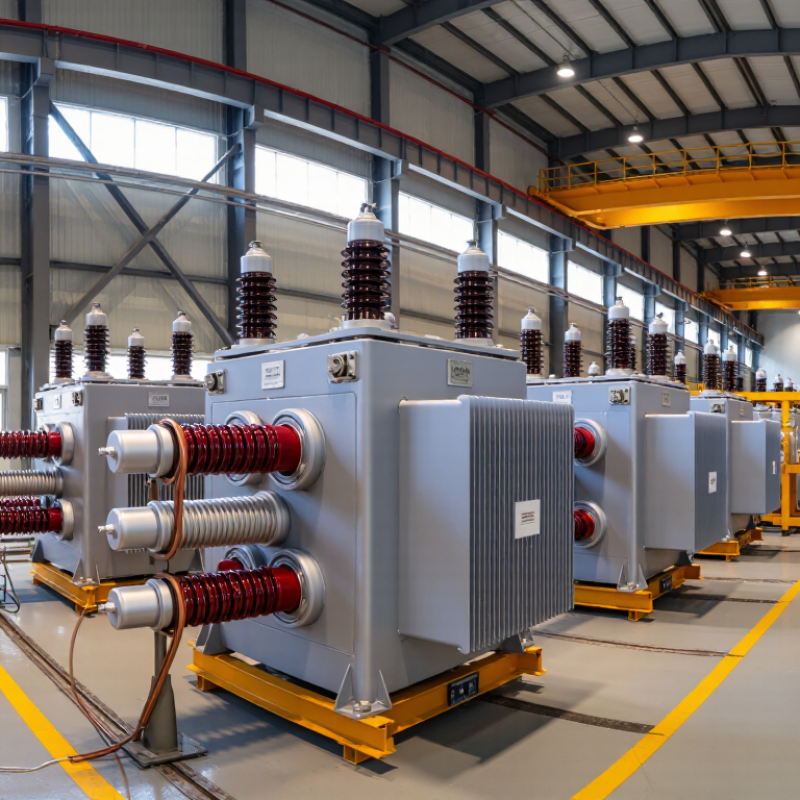
China Top Power Oil Transformer Manufacturers?

Definition and Role of Power Oil Transformers

China Top Power Oil Transformer Manufacturers?

A power oil transformer changes high-voltage electricity into usable voltage levels. It also raises voltage for efficient, long-distance transmission. Inside the tank, insulating oil supports electrical insulation and removes heat from windings. Radiators then release this heat into the surrounding air. Simple in principle, but demanding in operation.

The International Energy Agency’s Electricity 2024 report forecasts global electricity demand to grow by an average 3.4% annually through 2026. It also expects renewables to supply over 90% of new demand.

These figures increase pressure on substations, transmission corridors, and transformer fleets. A well-designed oil transformer reduces losses and helps stabilize voltage during changing loads. Its performance depends on core steel, winding design, oil quality, cooling capacity, and factory testing.

IEC 60076 provides the main international framework for transformer design and testing. Field engineers should also examine dissolved-gas analysis, moisture levels, oil acidity, and winding temperature. Small warning signs matter. The U.S. Department of Energy identifies large power transformers as critical grid assets with long replacement challenges.

Therefore, buyers should assess lifecycle reliability, not only purchase price. A low-cost unit may create higher maintenance risk later. This is easy to underestimate.

Even strong designs can fail when protection settings, installation practices, or inspection routines are weak. Transformer selection should match actual load profiles, climate conditions, short-circuit duties, and future renewable connections.

China’s Power Oil Transformer Manufacturing Landscape

China Top Power Oil Transformer Manufacturers?

China’s power oil transformer manufacturing landscape is broad, layered, and highly competitive. Production ranges from compact distribution units to large grid transformers exceeding hundreds of MVA. Many factories combine automated winding equipment with experienced technicians. Core steel is cut precisely, coils are insulated, and tanks are tested for leaks before shipment.

In supplier assessments, technical evidence matters more than polished websites. Buyers should review type-test reports, routine-test records, material traceability, and compliance with applicable IEC or GB/T requirements.

Factory audits should examine vacuum drying, oil filtration, welding quality, and final inspection procedures. A transformer may look excellent outside. Internal workmanship decides its service life.

Export experience also depends on packaging, documentation, and after-sales response. Suppliers familiar with humid ports, cold climates, or unstable grids can adapt cooling systems and insulation levels. Yet the market is not perfectly consistent.

Some manufacturers outsource key components without explaining the change. Others provide incomplete test data. These gaps deserve direct questions and independent verification.

Good communication helps, but it cannot replace witnessed testing. Small details matter: flange alignment, bushing clearance, oil sampling, and the condition of shock indicators after transport.

Key Criteria for Evaluating Leading Chinese Manufacturers

Choosing among China’s top power oil transformer manufacturers requires more than comparing price lists. A credible supplier should show verified experience with the required voltage class, capacity, cooling method, and installation environment. Ask for project references with similar operating conditions. Ask for evidence.

Technical evaluation should begin with compliance. Review test reports against applicable IEC or GB standards, including temperature-rise, lightning-impulse, load-loss, no-load-loss, and partial-discharge tests. Check whether reports come from qualified laboratories and match the proposed design. A factory audit can reveal more than a polished brochure. Inspect winding assembly, core stacking, oil treatment, welding quality, and cleanliness in the production area. Records matter.

Reliability also depends on traceability. Leading manufacturers should identify material batches, inspection stages, calibration dates, and final-test results. Their quality system should support corrective actions, not merely display certificates. Examine the transformer’s tank sealing, oil preservation system, bushings, protection devices, and transport arrangement. Service capability matters too. Confirm commissioning support, spare-parts access, warranty terms, and response procedures for abnormal temperature or oil leakage. Do not rush.

A manufacturer may perform well in routine testing but lack field experience with harsh climates, heavy cycling, or unstable grids. That gap matters. Request realistic references, not only successful laboratory data. I would also compare delivery records, design-change control, and communication during technical clarification. Small omissions here can become expensive delays after installation. A careful evaluation should remain open to doubt, because the lowest quotation rarely shows the complete ownership cost.

Major Product Types and Technical Capabilities

China’s leading power transformer manufacturers cover several product families.

Oil-immersed transformers remain common for substations, industrial plants, and renewable projects. They usually support high voltage ratings, on-load tap changers, and radiator cooling. Dry-type transformers fit hospitals, tunnels, and high-rise buildings where fire risk matters. Autotransformers reduce material use at closely matched voltage levels. Converter and furnace transformers serve demanding industrial loads.

Technical capability matters more than catalogue size.

IEC 60076 testing includes temperature-rise, lightning-impulse, short-circuit, and dielectric checks. Strong manufacturers also use vacuum oil filling, low-loss grain-oriented steel, and sealed tank designs. Online systems can track dissolved gas, moisture, winding temperature, and bushing condition. Small details matter. A loose bushing connection can become a costly outage.

The International Energy Agency reported in Electricity Grids and Secure Energy Transitions that annual global grid investment must rise above 600 billion dollars by 2030.

This pressure increases demand for efficient, monitorable transformers. Manufacturers with experience in wind and solar projects often offer compact substations, phase-shifting transformers, and flexible tap control. Independent laboratories and documented factory acceptance tests add credibility. Yet product claims deserve careful review. Efficiency figures may exclude cooling losses, and service support can be weaker overseas. Buyers should compare tested loss data, noise levels, fault withstand results, spare-part plans, and field references. Certification alone is not enough.

How to Select a Reliable Chinese Transformer Manufacturer

China Top Power Oil Transformer Manufacturers?

Selecting a reliable Chinese transformer manufacturer requires more than comparing prices. Start by matching the factory’s experience with your transformer’s voltage, capacity, cooling method, and installation environment. Ask for verified project references with similar ratings. A supplier experienced in utility substations may not understand industrial load cycles.

Request technical documents before signing. These should include drawings, material specifications, loss calculations, insulation levels, and applicable test standards. Confirm that the manufacturer can perform routine tests and arrange independent witness testing when required. Factory acceptance testing should cover ratio, winding resistance, insulation performance, oil quality, and temperature-rise requirements.

Check serial-number traceability for steel, bushings, gaskets, and insulating oil. Small details often expose weak quality control.

Visit the production site if possible. Observe coil winding, drying equipment, tank welding, cleanliness, and final inspection procedures. Ask how defects are recorded and corrected.

A reliable factory should provide clear schedules, inspection points, packing methods, spare parts, and commissioning support. Communication matters too. Technical replies should be specific, not copied from a brochure. Be careful with unusually low quotations; they may exclude testing, accessories, or suitable protection devices. No supplier is perfect. I would still question any factory claiming zero risk. Request references, compare evidence, and document every technical change before production begins.