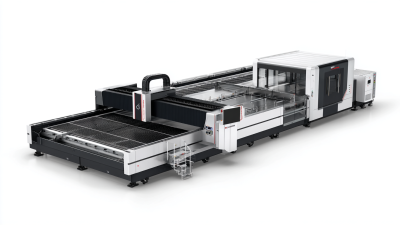
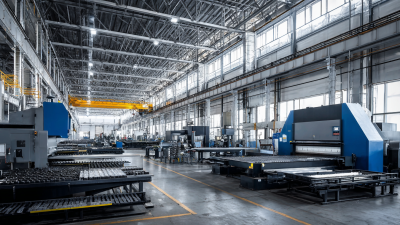
China Top Sheet Metal Laser Cutting Machine Suppliers
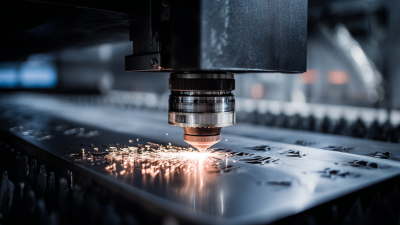
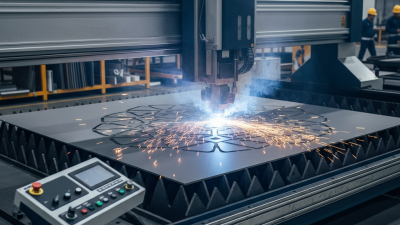
Choosing among China’s top sheet metal laser cutting machine suppliers requires more than comparing prices and catalog images. Buyers need reliable evidence about cutting accuracy, production capacity, service response, and long-term equipment performance. A serious supplier should explain laser source options, bed construction, control systems, automation, and compatibility with common metals. Details matter. A clean factory floor, calibrated measuring tools, and organized quality records often reveal more than polished marketing language.
This guide introduces practical criteria for evaluating manufacturers and trading companies. It considers experience with stainless steel, carbon steel, aluminum, and other widely processed materials. It also examines sample cutting, installation support, operator training, spare parts, warranty coverage, and remote troubleshooting. Ask for test videos and measurable results. Do not rely on claims alone.
No supplier is perfect. Even experienced manufacturers may have delays, communication gaps, or inconsistent after-sales support in overseas markets. That reality deserves attention. Buyers should request references, inspect technical documents, and clarify delivery responsibilities before signing an agreement. A trustworthy company will discuss limitations openly, not only highlight maximum cutting speed. The best decision depends on application, material thickness, production volume, budget, and local service access. This article aims to offer a balanced starting point, combining technical judgment with practical purchasing experience. Expect useful guidance, but verify every important detail independently.
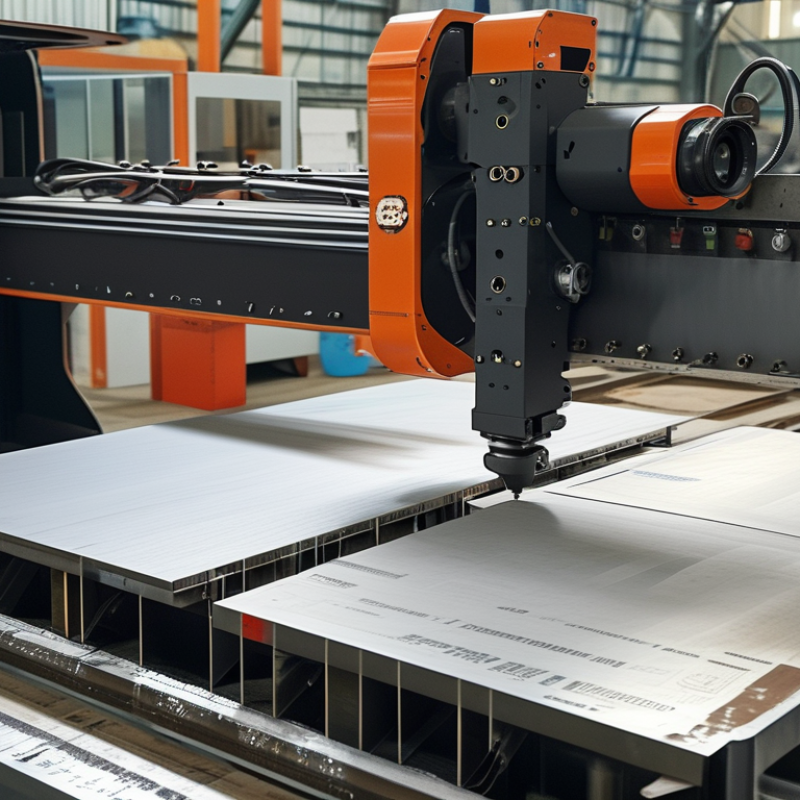
Sheet Metal Laser Cutting: Fiber Lasers from 1–30 kW at 1,070 nm
China Top Sheet Metal Laser Cutting Machine Suppliers
Sheet metal laser cutting now spans 1–30 kW fiber sources near the 1,070 nm wavelength. This range suits thin stainless panels, carbon-steel frames, and heavy plate. Grand View Research estimated the global laser cutting machine market at about USD 7.1 billion in 2023. Its forecast also indicates continued growth through 2030, driven by automation and shorter production cycles.
A 1–3 kW source often handles precise work on thin gauge steel. Higher power can reduce piercing time and improve throughput on thicker plate. The result still depends on nozzle alignment, focal position, gas purity, and table stability. Small errors leave dross along the lower edge. They are expensive errors. Nitrogen helps protect bright stainless edges, while oxygen can increase cutting speed on mild steel. Operators should verify actual kerf width rather than trust catalog values.
MarketsandMarkets projects the laser cutting machine sector could reach roughly USD 10 billion by 2028. That growth deserves careful interpretation. A 30 kW source is not automatically the best investment. It may increase electrical demand, assist-gas use, and maintenance pressure. Practical trials should compare cycle time, edge quality, material thickness, and energy per finished part. ISO 9013 edge classifications can support more reliable acceptance checks. The wavelength is stable, but the process is not perfect. Real workshops still need disciplined calibration.
China Top Sheet Metal Laser Cutting Machine Suppliers – Fiber Lasers from 1–30 kW at 1,070 nm
This chart compares nominal continuous-wave fiber-laser output power with the corresponding photon emission rate at a wavelength of 1,070 nm. Photon rates are calculated from E = hc/λ and are expressed in 10²¹ photons per second; they represent optical output, not cutting speed or material thickness.
China Supplier Landscape: OEM Capacity, ISO 9001, and CE Certification
China’s sheet metal laser cutting suppliers vary widely in OEM depth.
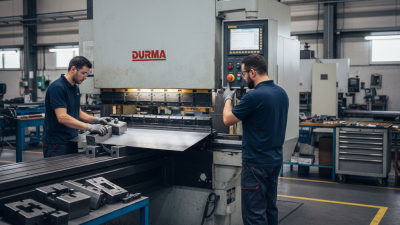
A capable factory should show more than a machine catalog. Ask for cutting samples, production records, and a documented factory acceptance test. Bed size, laser power, nesting software, and service response directly affect output. In practical sourcing, a 6,000 mm bed may suit long panels, while a smaller 3,000 mm bed can reduce material waste for compact parts. The global laser cutting machine market was valued at about USD 5.9 billion in 2023, according to Grand View Research. This growth increases supplier choice, but not necessarily supplier quality.
ISO 9001 is useful when it controls real work. The ISO Survey 2022 reported more than 1.2 million ISO 9001 certificates worldwide. Buyers should verify the certificate scope, issuing body, expiry date, and covered production site. CE marking also needs careful review. It is a conformity declaration, not simply a quality award. The supplier should provide a risk assessment, technical file, declaration of conformity, and applicable test records. A factory may hold valid documents yet still struggle with delivery or calibration. That gap deserves attention.
Tips: Request three recent OEM references, sample inspection reports, and a video audit of the assembly line. Check whether serial numbers link materials, operators, and final tests. Do not accept “CE certified” without supporting documents. I would also compare promised tolerances with actual cut samples. Paperwork can look perfect. Production is less predictable.