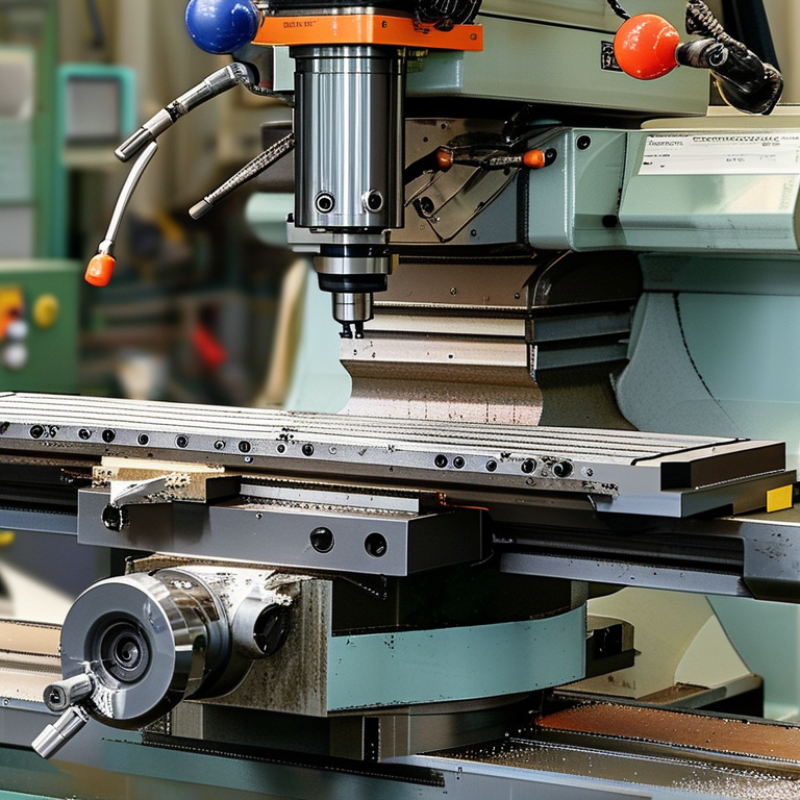
Top Tips for Choosing the Right Indexable Mill for Your Needs?
Choosing the right Indexable Mill is a critical task for any manufacturing operation. In the words of industry expert John Smith, "The performance and versatility of an Indexable Mill can transform your production line." This highlights the importance of making an informed choice.
When selecting an Indexable Mill, consider your specific machining needs. Are you focused on precision or speed? Each application demands different features. Talk to engineers and shop floor operators. Their insights can reveal hidden challenges and advantages.
Every mill has strengths and weaknesses. Sometimes, what's advertised as a perfect fit may not deliver in practice. Listen carefully to feedback from user experiences. Real-world applications often differ from expectations. Balancing cost against performance is essential. Aim for a solution that meets your requirements while being budget-friendly.
Understanding the Basics of Indexable Mills and Their Types
Indexable mills are versatile tools used in a variety of machining processes. Understanding their types can help you choose the right one for your needs. They are categorized mainly into indexable face mills, shoulder mills, and end mills. Each type serves different purposes tailored to distinct machining requirements.
Indexable face mills are ideal for large, flat surfaces. They provide efficient cutting with easy insert replacements. The shoulder mills excel at creating grooves or steps. Their design allows for precision in corner cutting. End mills, on the other hand, are suited for deeper cuts and intricate designs. Choosing the right type hinges on your specific project details.
It's vital to consider factors like materials being machined and desired finish quality. Each type comes with its unique cutting insert shapes, which impact performance. Sometimes, the convenience of changing inserts overshadows initial costs. However, ending up with a tool that doesn't fit the job can lead to unnecessary frustration. A little research goes a long way.
Key Factors to Consider When Selecting an Indexable Mill
When selecting the right indexable mill, consider several key factors. Tool geometry is crucial. Different shapes offer various cutting efficiencies. Pay attention to the insert design, as it affects performance during machining. Inserts should be selected based on the material you’re working with.
Another factor is the insert material. Common options include carbide, ceramic, and cermet. Each material has its strengths and weaknesses. For abrasive materials, carbides fare well. However, they might wear out faster than ceramics. Assess the durability and cost-effectiveness of each option.
Think about the depth of cut and feed rates too. Setting these parameters correctly ensures optimal performance. A higher feed rate can be beneficial, but it might also lead to premature tool wear. Assess your production needs realistically. Making hasty choices can lead to costly mistakes, so take your time in evaluating each mill's features.
Evaluating Cutting Tools and Insert Compatibility for Your Mill
When selecting an indexable mill, understanding cutting tools and insert compatibility is crucial. The insert type often determines the overall performance. Different materials require specific inserts for optimal cutting. For example, carbide inserts perform well on harder materials. However, this choice can complicate adjustments.
Evaluate the geometry of both the mill and inserts. Some mills excel in specific orientations, which may enhance or hinder cutting efficiency. An insert with a sharp edge can provide a superior finish but may wear quickly under pressure. Considering the material removal rate is also essential. A balance between speed and precision can prove challenging.
Additionally, consult manufacturers’ guidelines and industry best practices. Not all inserts fit every mill uniformly, which can lead to suboptimal performance. Trying different combinations through trial and error can be beneficial. Document each attempt to refine your approach over time. This reflective practice fosters a deeper understanding of cutting dynamics, ensuring better decisions for future projects.
Top Tips for Choosing the Right Indexable Mill for Your Needs
| Mill Type | Insert Material | Coating Type | Recommended Speed (RPM) | Suitable Application |
| Face Mill | Carbide | TiN | 800 - 1200 | Milling Flat Surfaces |
| Slot Mill | Cobalt | TiAlN | 600 - 1000 | Creating Slots and Grooves |
| High-Feed Mill | Ceramic | AlTiN | 1200 - 1600 | High-Speed Material Removal |
| T-Slot Mill | HSS | None | 500 - 800 | Machining T-Slots |
Assessing Material Requirements and Workpiece Characteristics
Choosing the right indexable mill starts with understanding material requirements. Different materials have unique properties that affect machining. The hardness, toughness, and thermal conductivity dictate the choice of cutting tools. For instance, steel requires different tooling compared to aluminum. According to a recent industry report, almost 40% of machining errors arise from incorrect material assessment.
Evaluating workpiece characteristics is equally vital. Dimensions, shape, and surface finish requirements play a crucial role. Complex geometries may demand specific milling strategies. A study indicates that 60% of machining failures are linked to inadequate analysis of these features. Precision in specifying workpiece details helps reduce downtime and increase efficiency.
It's also essential to revisit and reflect on material compatibility with tools. A misalignment can lead to tool wear or failure. Reports suggest that operators often overlook these assessments. Proper evaluation and selection of parameters save costs and improve productivity. Constantly refining the decision-making process is key to successful milling operations.
Budgeting and Cost Analysis for Indexable Mill Selection
When selecting an indexable mill, budgeting is crucial. According to the 2023 Metalworking Industry Report, nearly 30% of manufacturers overspend on tooling due to poor initial evaluations. Understanding total costs helps avoid this pitfall. Consider not only the initial purchase price but also tool life, productivity, and maintenance costs.
Cost analysis reveals that indexable mills can vary significantly in price. A mid-range mill may cost around $1,500, but high-end models can exceed $5,000. However, the investment can pay off through enhanced performance and reduced downtime. Industry statistics show that efficient milling can increase production rates by up to 25%. This highlights the need for a thorough cost-benefit analysis.
Budget constraints often lead to rushed decisions. Assessing long-term value rather than focusing solely on immediate costs is essential. Some mills might seem cheaper but lead to higher costs over time due to lower efficiency and increased wear. Factoring in replacement and operational expenses will lead to more informed choices. Inconsistent quality from lesser tools can result in waste, thus affecting your bottom line.
Top Tips for Choosing the Right Indexable Mill for Your Needs