Top Industrial DO Sensor Features Buyers Should Know?
In the world of industrial applications, understanding the features of an Industrial DO Sensor is crucial. Dr. Emily Carter, an expert in environmental monitoring technologies, emphasizes this need: "Choosing the right Industrial DO Sensor can make or break your project." With rising demands for precise oxygen measurements in various industries, these sensors play a vital role in water quality management.
Industrial DO Sensors are essential in sectors like waste treatment and aquaculture. They ensure optimal oxygen levels, crucial for aquatic life. However, many buyers overlook key features. Sensors vary in response time, accuracy, and maintenance requirements, potentially leading to costly errors. A lack of awareness can lead to ineffective solutions.
Additionally, users often face challenges with calibration and data integration. It’s common for sensor failure to occur without clear indicators. Investing time in understanding sensor specifications can mitigate these risks. Buyers should not only focus on price but also consider long-term performance and reliability. By prioritizing these insights, industrial stakeholders can enhance operational efficiency and achieve better environmental outcomes.
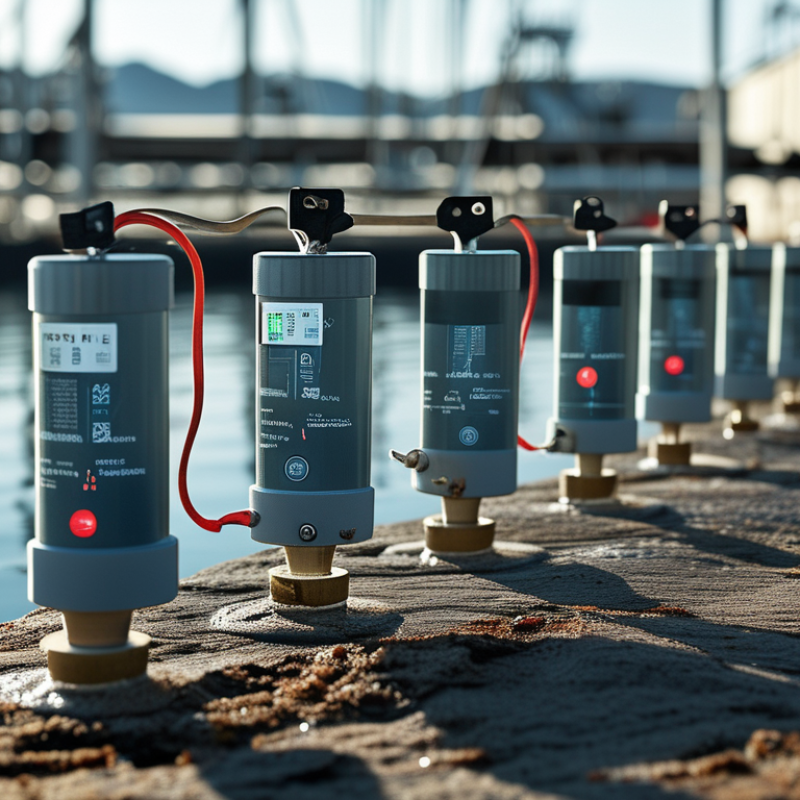
Key Specifications of Industrial DO Sensors to Consider
When selecting industrial dissolved oxygen (DO) sensors, several key specifications require careful consideration. According to a recent market report by Research and Markets, the accuracy of a DO sensor is paramount. An accuracy level of ±1% is often recommended for reliable readings. Sensors with higher precision can result in better operational efficiency, especially in critical applications like aquaculture or wastewater treatment.
The measurement range is another vital feature. Most industrial DO sensors measure oxygen levels from 0 to 20 mg/L. However, some sensors can operate effectively across wider ranges, offering flexibility for diverse applications. It's crucial to choose a sensor that meets the specific requirements of your processes.
Durability and response time significantly impact sensor performance. Industrial environments can be harsh, requiring robust materials that withstand corrosion and wear. Some studies indicate that sensors with fast response times—under 60 seconds—enable quick adjustments in processes, enhancing productivity. However, manufacturers must remain aware of potential drift and recalibration needs over time. Regular maintenance contributes to sustained accuracy, though many users overlook this aspect.
Essential Operating Principles of Dissolved Oxygen Sensors
Dissolved oxygen (DO) sensors play a vital role in various industries, especially in water treatment and aquaculture. Understanding their operating principles is essential for effective application. These sensors typically operate on either galvanic or polarographic principles. Galvanic sensors generate a current as oxygen diffuses through a membrane, producing a voltage that correlates to oxygen concentration. Polarographic sensors, on the other hand, require an external power source to polarize the electrodes, allowing for measurement of oxygen levels.
Key features to consider include response time and accuracy. A slow response can delay crucial adjustments in processes. Calibration is also a critical aspect. It’s not uncommon for users to neglect regular recalibration, leading to inaccurate readings over time. Environmental factors, such as temperature and pressure, can also impact sensor performance. Users must be vigilant about these influences.
Advanced DO sensors may incorporate smart technology for enhanced performance. However, this doesn’t eliminate the need for routine maintenance. Sensor failures often stem from a lack of proper care and monitoring. Additionally, understanding the limitations of each sensor type helps in selecting the right one based on specific needs. The balance between technology and manual oversight can lead to the best outcomes in maintaining optimal oxygen levels.
Common Applications for Industrial DO Sensors
Industrial dissolved oxygen (DO) sensors play a critical role in various applications. These sensors are widely used in water treatment facilities. They help monitor oxygen levels in wastewater, ensuring the process runs smoothly and efficiently. Maintaining the correct oxygen concentration is essential for the success of aerobic digestion. It directly impacts microbial activity, which is crucial for breaking down organic matter.
In aquaculture, DO sensors are vital for monitoring the health of aquatic animals. These sensors provide real-time data on oxygen levels in fish tanks or ponds. Low oxygen levels can lead to stress or even death for fish. Accurate readings help in adjusting aeration systems, creating a suitable environment for aquatic life. Such precise control is necessary for maximizing growth rates and ensuring fish health.
Food and beverage industries also utilize dissolved oxygen sensors. They help ensure quality control in processes like brewing or bottling. Oxygen can negatively affect the taste and shelf life of products. Hence, regular monitoring is paramount. Installing DO sensors allows manufacturers to maintain consistent product quality. However, some face challenges in sensor calibration and maintenance. Regular checks can be time-consuming but are essential for accurate readings.
Maintenance and Calibration Best Practices for DO Sensors
Maintaining and calibrating dissolved oxygen (DO) sensors is crucial for ensuring accurate measurements in industrial applications. Regular maintenance helps detect any drift in sensor readings. Clean the sensor surface regularly to prevent buildup of contaminants that can interfere with readings. It is essential to follow the manufacturer's guidelines for cleaning and maintenance schedules. Neglecting this may lead to erroneous data, potentially affecting process control.
Calibration is a critical aspect of sensor reliability. Performing a two-point calibration is recommended to check the accuracy of the readings. For the first point, use a zero-oxygen solution. The second point can be ambient air or a controlled oxygen standard. This process ensures that the sensor is responding correctly. Many users overlook the impact of temperature and pressure changes on DO measurements. These factors can shift sensor performance, requiring frequent recalibrations.
Documenting calibration procedures and results can enhance operational reliability. It allows for a comprehensive review of sensor history. Regular analysis helps identify patterns and potential issues. Sometimes, sensors may need recalibration more often than expected. Reflecting on past maintenance efforts can highlight areas for improvement. Effective practices in calibration and maintenance will lead to more accurate measurements and better operational outcomes.
Factors Influencing the Performance of DO Sensors in Various Environments
Dissolved oxygen (DO) sensors are crucial in various industrial applications, yet several factors affect their performance. Environmental variables play a significant role. Temperature fluctuations can alter the solubility of oxygen in water, affecting sensor readings. Higher temperatures typically reduce oxygen levels, leading to inaccurate readings. Purchasing a sensor that compensates for temperature changes is vital in ensuring accurate measurements.
Another influencing factor is the presence of other chemicals. Industrial environments often contain substances that can interfere with oxygen detection. For instance, high concentrations of chlorine can cause interference, skewing the sensor's accuracy. Some sensors can handle these interferences, but it is essential to assess the environment before selecting one. Regular calibration can also prove beneficial, as it helps maintain reliability despite environmental changes.
Finally, sensor placement can affect performance. Suboptimal positioning can lead to inconsistent readings. Sensors placed near bubbling air hoses or strong currents may experience erratic oxygen levels. Selecting an appropriate installation site and ensuring steady flow conditions will enhance sensor reliability. Users must be aware of these factors to make informed choices about DO sensors in their operations.