What is a CNC Metal Cutting Machine and How Does It Work?
In the world of manufacturing, a CNC metal cutting machine is a game changer. This technology revolutionizes how metal is processed. David Bennett, an expert in CNC machining, once said, "CNC machines transform raw metal into precise parts." This encapsulates the essence of CNC technology and its impact on industries.
CNC metal cutting machines utilize computer numerically controlled systems. They allow for high precision and repeatability in metal fabrication. These machines can cut, shape, and engrave various metal types. This offers manufacturers flexibility and efficiency. However, mastering this technology is not without challenges.
Operators must understand programming, machine maintenance, and material properties. Moreover, the complexity of the machines can lead to operational difficulties. There is always room for improvement in safety and performance. The integration of a CNC metal cutting machine can bring significant benefits, but it requires constant learning and adaptation.
Definition and Overview of CNC Metal Cutting Machines
CNC metal cutting machines are essential in modern manufacturing. They use computer-controlled technology to shape and cut metal with precision. According to a report by MarketsandMarkets, the global CNC machine market is projected to grow from $67.89 billion in 2021 to $99.47 billion by 2026. This growth reflects the demand for high-quality manufacturing processes.
These machines operate with a series of programmed commands. They can drill, mill, or turn metal parts with remarkable accuracy. The cutting tools are designed to handle various metals, including steel, aluminum, and titanium. However, the initial investment can be high, making it challenging for smaller businesses to adopt this technology. Furthermore, the learning curve for operators can also be steep, highlighting the need for skilled labor.
Efficiency is a key benefit. CNC machines can run continuously, reducing downtime. Yet, these machines require regular maintenance to ensure accuracy and longevity. An operator must monitor their performance, which adds to the complexity. With automation, mistakes can happen, leading to material waste. It's crucial for operators to remain vigilant to avoid costly errors.
Key Components of CNC Metal Cutting Machines: A Breakdown
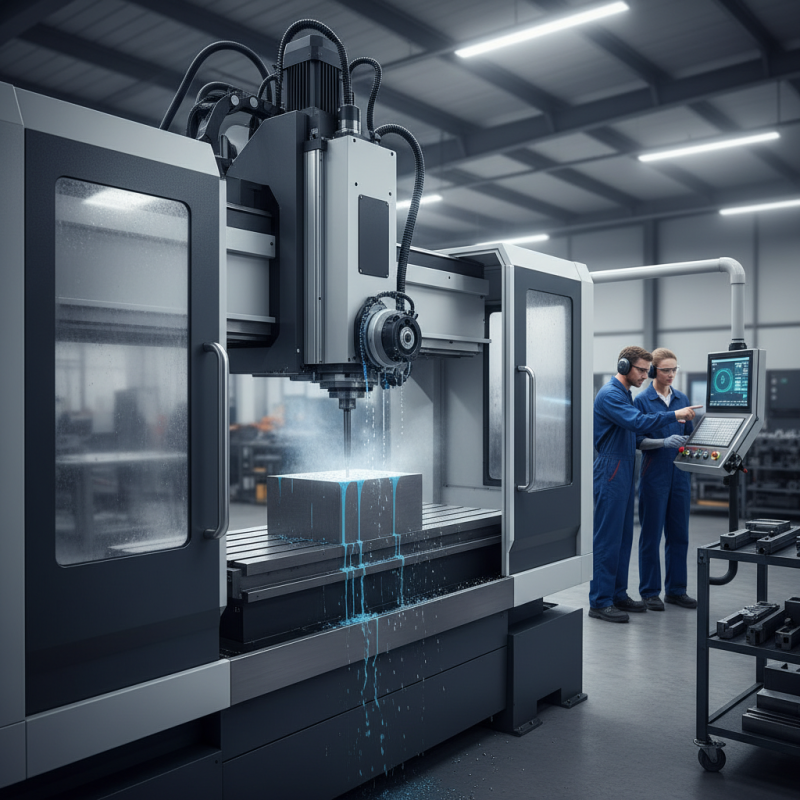
CNC metal cutting machines are essential in modern manufacturing. They offer precision and efficiency. The primary components of these machines include the control system, drive system, spindle, and cutting tools. Each part plays a vital role in ensuring accurate cuts.
The control system interprets the design files. It sends commands to the drive system, which moves the machine. This process can sometimes result in errors due to outdated software or improper calibration. Regular updates can help mitigate these issues.
Cutting tools are varied. They come in different shapes and sizes based on the material and desired finish. Inspecting these tools frequently is crucial. Worn-out tools can lead to poor quality cuts and increased waste. Maintaining them can save both time and resources.
Tips: Always test the machine after service. Calibration checks are vital. A simple misalignment can lead to significant errors. Regular training for operators also enhances productivity. Knowledge gaps can cause mistakes, leading to financial losses.
CNC Metal Cutting Machine Overview
This bar chart illustrates key performance metrics for a CNC metal cutting machine, highlighting spindle speed, feed rate, cutting depth, and tool life. These metrics are essential for understanding the efficiency and effectiveness of CNC machining processes.
Working Principles: How CNC Machines Execute Precision Cuts
CNC metal cutting machines have revolutionized manufacturing. They rely on advanced technologies for precise cuts. The working principle is fascinating. These machines utilize a computer program to control cutting tools. This automation ensures accuracy and repeatability, which manual methods lack.
Most CNC machines operate using a process called G-code. This code directs the machine on how to move the cutting tool. Each command specifies coordinates, speeds, and tool paths. According to a report by MarketsandMarkets, the CNC machine market is projected to reach $100 billion by 2027. This reflects growing demand for precision in industries like aerospace and automotive.
However, challenges exist. Even with advanced technology, machine calibration issues can occur. These inaccuracies may lead to production waste. In addition, skilled operators are needed to program and monitor machines effectively. The reliance on skilled labor raises questions about training resources. Balancing automation and human expertise is crucial for optimal outcomes.
Applications of CNC Metal Cutting in Various Industries
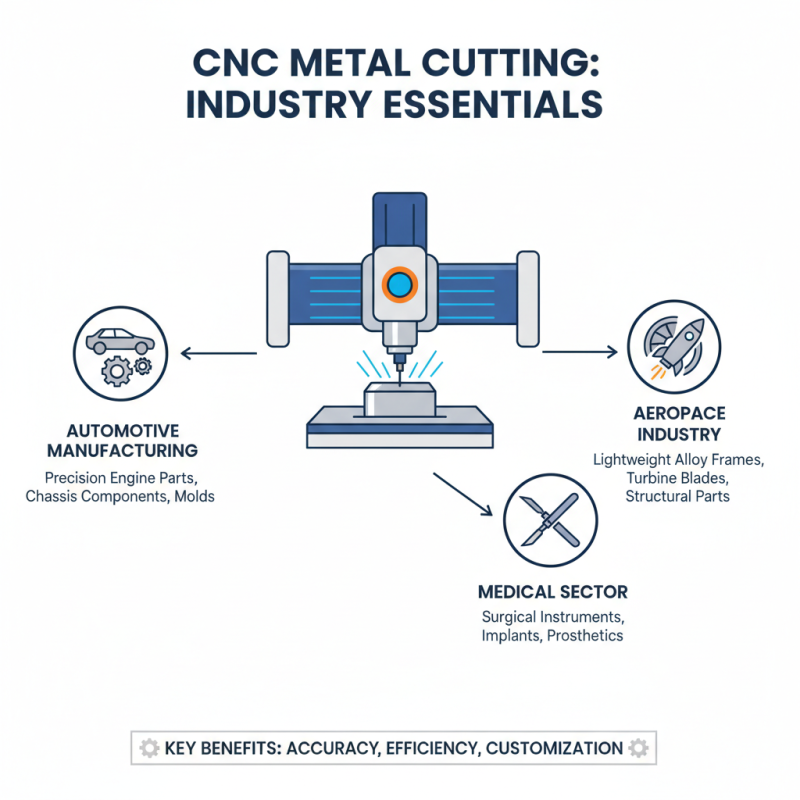
CNC metal cutting machines play a vital role in numerous industries. They offer precision in shaping and fabricating metal components. Automotive manufacturing relies heavily on CNC machines. They create parts that must meet strict specifications. In aerospace, these machines carve intricate designs into lightweight alloys. The medical sector also benefits from CNC technology for surgical instruments.
Tips: Always verify the material compatibility before cutting. This helps in avoiding unexpected results and defects.
CNC machines are also used in the construction industry. They fabricate steel beams with high accuracy. This allows for better fitting during assembly, reducing waste. However, operators must exercise caution. Any miscalculation can lead to costly mistakes. A simple error in measurements can result in unusable components.
Moreover, the furniture industry has embraced CNC technology. Custom designs are produced quickly and efficiently. Yet, it's crucial to balance creativity with machine limitations. An overambitious design might not translate well into reality. Always seek feedback from experienced operators to refine your approach.
Advantages of CNC Metal Cutting Machines over Traditional Methods
CNC metal cutting machines have transformed the manufacturing landscape. Their precision and efficiency stand out. Unlike traditional methods, these machines rely on computer numerical control. This automation minimizes human error during the cutting process.
One significant advantage is the speed of production. CNC machines can operate continuously, unlike manual methods. This capability reduces lead times significantly. Furthermore, the intricate designs that these machines can achieve are impressive. They can cut complex shapes with high accuracy.
However, it's worth noting some challenges. Operators need training to manage CNC equipment effectively. Misunderstanding software can lead to mistakes. Also, maintenance is crucial to keep machines running smoothly. Investing in a CNC metal cutting machine might be costly upfront. But, the long-term benefits often outweigh these initial hurdles.