How to Choose the Right Rotary Seal for Your Application?
Choosing the right Rotary Seal is critical for ensuring the efficiency of mechanical systems. Rotary Seals play a vital role in preventing fluid leakage and maintaining pressure. Selecting the appropriate seal requires a thoughtful approach.
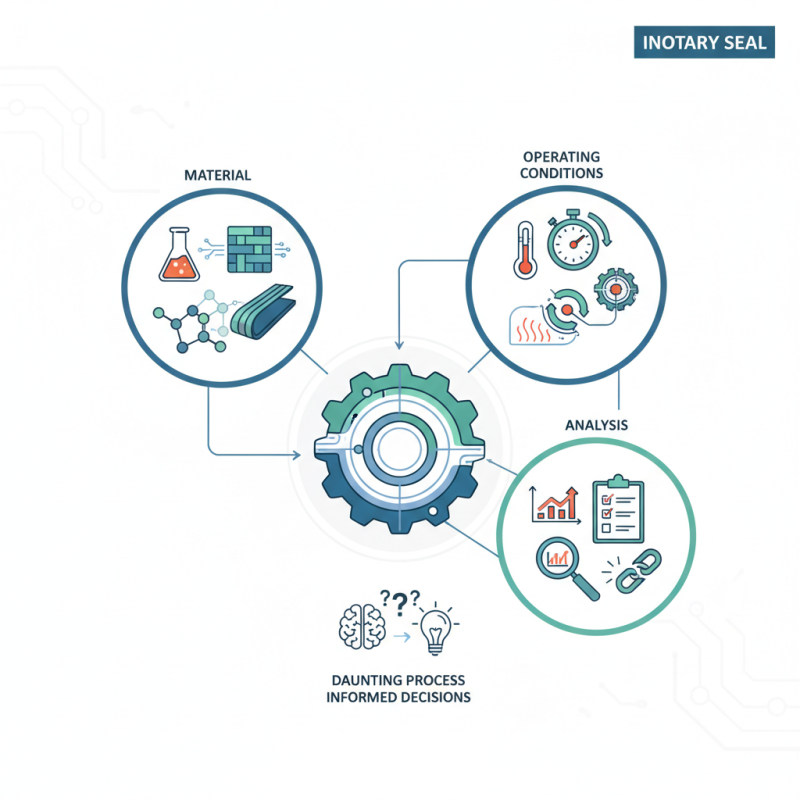
Factors such as material, design, and operating conditions must be considered. Different applications may necessitate unique sealing solutions. For instance, high-speed applications may require a distinct design compared to static ones. Understanding these variables can enhance performance and longevity.
Yet, the process can be daunting. Many overlook key details, leading to costly failures. It’s essential to reflect on past choices and analyze what went wrong. By approaching the selection process with care and expertise, you can make informed decisions that significantly impact your equipment's reliability and efficiency.
Understanding Rotary Seals: Types and Functions
Rotary seals play a crucial role in various machinery and equipment. These seals prevent fluid leakage and keep contaminants out. Understanding the types and functions of rotary seals is essential for making informed decisions. The most common types include lip seals, bonded seals, and lab seals. Each type serves a unique function based on your application's needs.
Lip seals are widely used in rotating shafts. They provide an efficient barrier against oil, grease, and dirt. Bonded seals, on the other hand, are ideal for high-pressure applications. They combine two materials, creating a robust seal that withstands extreme conditions. Lab seals are more specialized. They are designed for specific applications, often in laboratories or clean environments.
Selecting the right seal requires careful evaluation. Consider the operating temperature, pressure, and the type of fluids involved. An improper choice can lead to premature failure. It’s important to consult with suppliers or industry professionals when in doubt. Reflecting on past experiences can help avoid common pitfalls, ensuring a reliable and lasting seal.
Rotary Seal Types and Their Common Applications
Key Factors to Consider When Selecting Rotary Seals
Selecting the right rotary seal is crucial for ensuring operational efficiency and longevity of machinery. One key factor is the operating environment. Temperature and pressure extremes can dramatically affect seal performance. According to a report by the American Society of Mechanical Engineers, seals might fail at temperatures exceeding recommended limits by as much as 30%. This means that choosing a seal rated for higher temperatures can reduce unexpected downtime.
Another vital consideration is the type of media the seal will encounter. Seals can be subjected to oils, water, and even corrosive substances. Research shows that over 40% of seal failures result from chemical incompatibility. Examining the fluid properties and the seal material's compatibility can enhance performance and lifespan.
It's also important to consider the design and installation of the seal itself. Misalignment can lead to premature failure, sometimes as early as a few weeks in operation. Proper fitment reduces wear and tear, directly improving reliability. Regular maintenance should not be overlooked, as periodic checks can uncover potential issues before they lead to significant problems, saving time and resources in the long run.
Materials and Compatibility in Rotary Seal Selection
When selecting a rotary seal, material compatibility is essential. The right material ensures durability and reliable performance in specific applications. Typically, seals are made from elastomers, thermoplastics, metals, or a combination. Understanding the operating environment is crucial. For example, seals exposed to extreme temperatures or aggressive chemicals require specialized compounds.
Industry data reveals that over 50% of seal failures result from material incompatibility. This can lead to leaks, reduced efficiency, and increased costs. When choosing seals, consider factors such as temperature range, pressure conditions, and chemical exposure. For instance, a seal made from Viton may perform well in high-temperature settings but may not withstand certain acids. Expertise in material selection significantly lowers the risk of failure.
Design engineers often face challenges in predicting seal behavior under dynamic conditions. Testing materials in real-world environments can yield valuable insights. Additionally, proper installation practices play a role in maximizing seal life. Awareness of installation errors can lead to more informed choices in the future, enhancing the reliability of rotary systems.
Evaluating Performance Metrics for Rotary Seals
Selecting the appropriate rotary seal involves understanding several performance metrics, which can significantly affect equipment longevity and efficiency. Material compatibility, temperature tolerance, and pressure ratings are critical factors to consider. Reports indicate that improper seal selection can lead to a 60% increase in maintenance costs over time.
Achieving optimal performance means assessing the specific conditions of your application. The environment, like exposure to chemicals or extreme temperatures, can degrade seal integrity. Focus not only on the ideal conditions but also on potential variations. An estimated 30% of seal failures stem from unexpected operational changes.
**Tips:** Always test seals under real conditions before full implementation. Remember, even minor changes in pressure or temperature can impact performance. Regular monitoring is essential for identifying wear early. Evaluate your operating parameters consistently to ensure your chosen seal remains effective through its lifecycle.
Common Applications of Rotary Seals and Their Requirements
Rotary seals find widespread applications in various industries. They play a crucial role in maintaining the integrity of rotating components. Common uses include automotive engines, hydraulic systems, and industrial machinery. Each application has specific requirements, making the selection of the right seal vital for functionality.
In automotive applications, seals must withstand high temperatures and pressures. They also must resist oil and fuel degradation. Hydraulic systems often require seals that endure high fluid pressures while providing a leak-free seal. In industrial machinery, environmental resistance is crucial. Seals might need to block dust or moisture, affecting their material choice.
Assessing the operating conditions is essential. Consider the speed, temperature, and media compatibility. Reflection on past experiences can aid in selecting the right seal. Over time, a seal’s performance may diminish. Regular assessments can ensure functionality and durability. Balancing cost and performance is critical in the decision-making process.