Industrial Machinery Company

How to Choose the Right Tractor Parts for Your Needs

Choosing the right tractor parts is essential for optimal farm productivity. Selecting parts may seem straightforward, but it's often complex. Various brands and specifications exist, making decisions challenging. Understanding your specific needs is crucial to avoid costly mistakes.

Different tasks require different tractor parts. For instance, plowing and tilling demand unique components. Fitting the correct parts enhances performance and durability. However, the abundance of options can be overwhelming. Many people find themselves unsure and frustrated during the selection process.

Research is key when choosing tractor parts. Consult experts and trusted sources to gather insights. Take the time to read reviews and compare products. A well-informed decision not only saves money but also improves overall efficiency. With the right equipment, farmers can better face daily challenges. This journey of selection is not just about parts; it reflects a commitment to quality and reliability in farming.
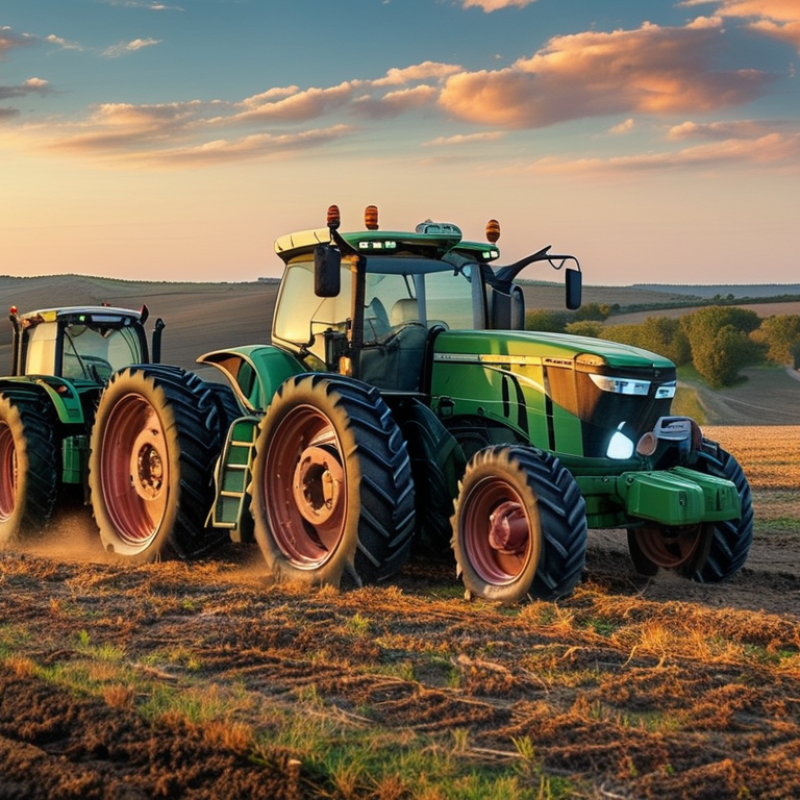
How to Choose the Right Tractor Parts for Your Needs

Understanding the Different Types of Tractor Parts Available

When considering tractor parts, it's crucial to understand what types are available. Each part serves a specific function. Common categories include engines, transmissions, and hydraulics. For instance, according to the Agricultural Machinery Market report, engine parts alone account for over 30% of maintenance costs. Choosing the right engine can enhance performance significantly.

Hydraulic components are essential for effective machinery operation. They help with lifting and steering. Misaligned parts can lead to inefficiencies, causing more frequent repairs. A study by the American Society of Agricultural and Biological Engineers notes that improper hydraulic systems can reduce tractor productivity by 25%. Understanding these systems is vital for optimal performance.

Tips: Check compatibility with your tractor model. Investing in quality parts pays off in the long run. Regular maintenance elevates the lifespan of your machinery. Researching different brands and user reviews can guide you in making informed choices. Balancing quality and cost is necessary but challenging. Sometimes, less expensive options may lead to higher costs later due to replacements or repairs.

Assessing Your Tractor's Requirements Based on Use and Specifications

When choosing tractor parts, understanding your tractor's specifications and intended use is crucial. Whether you're using your tractor for heavy-duty farming or light garden work, the parts required can differ significantly. Assess the tractor’s engine power, size, and primary tasks. These details will guide you in selecting parts that will enhance performance and longevity.

Tips: Consider the type of terrain you work on. Different environments can place varying demands on tractor parts. For instance, rough terrains may need sturdier tires. Regularly check the wear on current parts. This reflection can help you identify if a heavier-duty replacement is necessary.

Another aspect to consider is compatibility. Ensure that new parts fit well with the existing components. Mismatched parts can lead to inefficiency or damage. Don't hesitate to consult with experts. Their insights can affirm or challenge your choices. Remember, a well-informed decision can save you from costly mistakes down the line.

Evaluating Quality vs. Affordability in Tractor Parts Selection

When selecting tractor parts, the balance between quality and affordability is crucial. Research indicates that investing in high-quality components can extend equipment lifespan by up to 30%. However, farmers often face pressures to minimize costs. A recent survey showed that 65% of farmers choose cheaper options, but this can lead to more frequent breakdowns and increased maintenance expenses.

Consider the materials used in the parts. Cheaper components may lack durability, resulting in failures during critical tasks. The American Society of Agricultural and Biological Engineers highlights that subpar parts can cost operators hundreds to thousands of dollars in downtime. Reflecting on the choices made can uncover patterns — did sacrificing quality lead to higher overall costs?

Inspection of suppliers is also vital. Selling price alone doesn't indicate reliability. Research data suggests that 40% of low-cost parts don’t meet industry standards. Understanding this can prompt honest evaluation of what is truly at stake. Reliable parts might demand a higher initial investment, but they can protect your farming operations in the long run.

Quality vs. Affordability in Tractor Parts Selection

Identifying Trusted Suppliers and Brands for Reliable Tractor Parts

When seeking reliable tractor parts, identifying trusted suppliers is crucial. Start by looking for established suppliers with a solid reputation in the industry. These suppliers often have years of experience, ensuring they understand the needs of different tractors and their components. Customer reviews can provide insight into their reliability and service quality. Professionals in the field often recommend suppliers who prioritize quality over price.

Explore local agricultural shows or expos. This can help you meet representatives from various suppliers. Engaging with them allows you to ask questions about product sourcing. Trustworthy suppliers usually offer warranties or return policies, adding another layer of reliability. Consider the origin of the parts. Suppliers that source their products from manufacturers with a known track record typically provide better quality.

Research is essential. Don’t rush into a purchase. Instead, list potential suppliers and evaluate their offerings. Reach out to fellow farmers for recommendations. Sometimes, the best suppliers aren’t the most advertised but come highly praised in local communities. Remember that even experienced farmers sometimes find themselves disappointed. Reflect on your choices to make better-informed decisions in the future.

How to Choose the Right Tractor Parts for Your Needs

Part Type Material Compatibility Warranty Period Price Range
Engine Parts Aluminum Tractors A, B, C 12 Months $300 - $800
Hydraulic Parts Steel Tractors D, E 24 Months $200 - $600
Tires Rubber Tractors A, D 36 Months $100 - $400
Fuel Systems Plastic/Metal Tractors B, C, E 12 Months $150 - $500
Belts & Hoses Rubber Tractors A, D, E 6 Months $30 - $150

Maintenance Considerations for Choosing the Right Parts for Longevity

Choosing the right tractor parts involves careful consideration of maintenance needs. Understanding your machine’s requirements is crucial for longevity. Data from the Agricultural Equipment Manufacturers Association shows that proper maintenance can extend a tractor's life by 30%. Regularly replacing worn-out parts can prevent costly breakdowns.

When assessing parts, look for durability and compatibility. High-quality materials can resist wear and tear. For instance, metal parts should have corrosion resistance to withstand harsh conditions. The USDA reported that proper lubrication can improve efficiency by up to 15%. Neglecting this can lead to premature failure of components.

It's important to reflect on the costs versus benefits of parts. Inexpensive options may seem appealing but can lead to false savings. They typically lack the longevity of higher-quality components. Invest time and resources into research to ensure that the choices made contribute positively to your tractor’s operational efficiency and lifespan.