In the competitive landscape of food manufacturing, precision is paramount. A Food Checkweigher is an essential tool that ensures each product meets regulatory standards and consumer expectations. According to a report by Grand View Research, the global food processing market is expected to reach $4.8 trillion by 2025, emphasizing the need for efficient and accurate weighing solutions.
The implementation of a Food Checkweigher can enhance quality control processes significantly. Research indicates that manufacturers can reduce product waste by up to 2% when using automated checkweighing systems. This small percentage translates into substantial savings given the scale of operation in large facilities. Furthermore, precision in weight not only affects compliance but also customer satisfaction. Items that are incorrectly weighed risk losing consumer trust.
However, managing a Food Checkweigher comes with challenges. Calibration and regular maintenance are essential to prevent discrepancies. Unrealistic expectations can lead to operational inefficiencies if teams are not trained adequately. It's crucial to reflect on the system's integration and the human element in achieving optimal performance. Overall, investing in a Food Checkweigher is not just about compliance; it's about building a reputation on quality and reliability in the food industry.
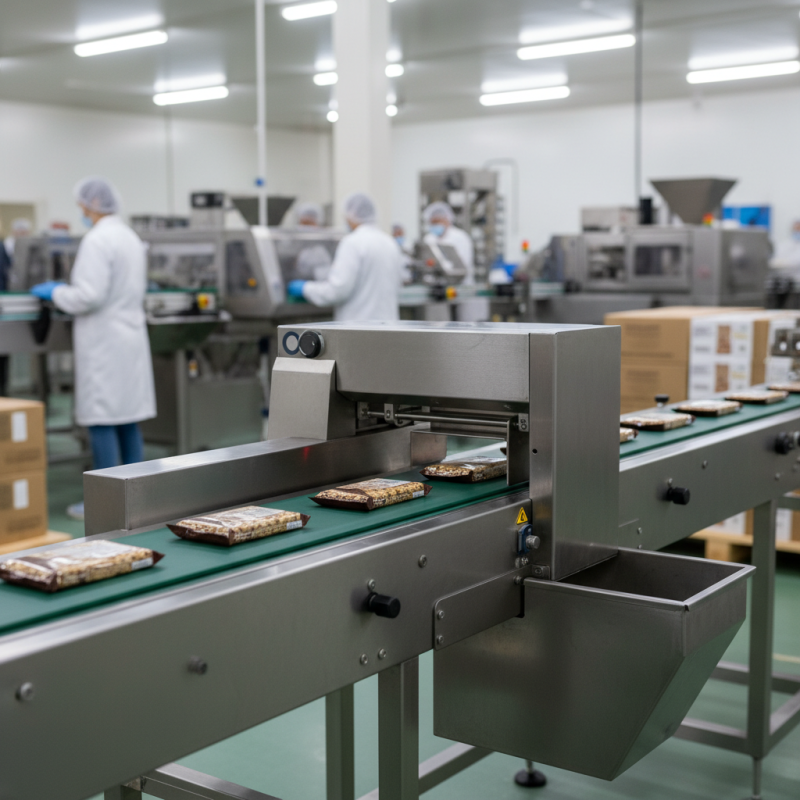
In the food manufacturing sector, precision is vital. A food checkweigher helps ensure that each product meets weight specifications. This contributes to quality control and reduces waste. Consumers expect consistent packaging. A checkweigher guarantees that each item complies with legal weight standards.
Implementing a checkweigher can enhance production efficiency. Automating weight checks minimizes human error. It can identify discrepancies in real-time, allowing for immediate corrections. This reduces the risk of overfilling or underfilling, which can be costly. Workers can focus on other essential tasks instead of manual checks.
There are challenges to consider. Some machines may require frequent calibration. This can lead to downtime and additional costs. It's essential to find a reliable system that balances accuracy and operational needs. Regular maintenance is crucial to ensure ongoing reliability and accuracy in measurements.
This chart illustrates the percentage of manufacturers that reported improvements in key areas after implementing food checkweighers in their production processes.
When selecting a food checkweigher for your manufacturing process, focus on essential features. Precision is key. According to industry reports, even a small variance of ±1 gram can lead to significant financial losses. This emphasizes the need for high accuracy in weighing systems.
Another important feature is speed. Manufacturers often require checkweighers to process thousands of units per hour. A system that can keep pace with production reduces bottlenecks. Some models boast speeds of up to 600 packs per minute. Evaluate your production rates carefully to choose the right match.
Tip: Consider a checkweigher that integrates with existing data management systems. This feature can help streamline operations and improve traceability.
Usability is also crucial. A user-friendly interface allows operators to make adjustments quickly. Training should not take long, as downtime can hurt productivity. Inspecting how intuitive the software is can be revealing.
Finally, review the machine's maintenance requirements. Frequent breakdowns can impact your output. Regular servicing may add to operational costs. Analyze the long-term reliability before making a decision.
| Feature | Description | Importance |
|---|---|---|
| Accuracy | Precision in weight measurements to minimize product loss and ensure compliance. | High |
| Speed | Rate of measurement to keep up with production throughput. | High |
| User Interface | Ease of use for operators with clear displays and controls. | Medium |
| Compliance | Adherence to industry standards and regulations for food safety. | High |
| Durability | Resistance to the harsh conditions often found in food manufacturing environments. | Medium |
| Integration | Compatibility with existing production lines and systems. | High |
In the food manufacturing industry, product quality is paramount. Food checkweighers play a crucial role in ensuring each package meets weight specifications. According to a recent industry report, 75% of consumers consider product weight accuracy when purchasing food items. Accurate measurements boost consumer trust and drive sales.
Moreover, compliance with regulations is critical. Non-compliance can result in costly recalls and damage to a brand’s reputation. Using automated checkweighers minimizes human error during the weighing process. This helps companies adhere to standards set by agencies like the FDA. A study showed that businesses using checkweighers improved compliance rates by 40%.
However, not all checkweighers deliver equal performance. Companies must consider the specifications of their chosen systems. Factors like speed, accuracy, and ease of integration matter. Regular maintenance and calibration are also essential for optimal operation. Without this, a checkweigher can become inaccurate over time, leading to potential compliance issues. In a competitive market, investing time and resources into the right checkweigher can differentiate a brand.
In the food manufacturing industry, minimizing waste is crucial for sustainability and profitability. Food checkweighers play a significant role in achieving this goal. They ensure that products meet specified weight standards. This reduces the risk of overfilling or underfilling packages, which can lead to financial losses. For instance, a factory that produces snack bags might lose significant profits if they consistently overpack, leading to unnecessary costs.
Moreover, checkweighers enhance efficiency in the production line. When integrated seamlessly, they can quickly assess product weight without disrupting the workflow. This speed can help maintain a steady output rate. Yet, it is essential for operators to remain vigilant. Sometimes, machinery malfunctions or variations in ingredient density can affect accuracy. Regular calibration and maintenance are vital to ensuring that weight readings remain reliable.
Investing in food checkweighers fosters a culture of precision and accountability. However, businesses also need to assess their specific needs. Some operations may not require extensive automation or sophisticated features, while others will benefit from advanced systems. It is a balance between investing in technology and understanding operational demands that drives success in the long run.
Implementing a food checkweigher in your production line is crucial for maintaining product quality and compliance. According to industry reports, approximately 95% of food manufacturers face issues with underweight products. This can lead to costly recalls and damaged reputation. A reliable checkweigher helps ensure each package meets weight specifications, reducing waste and increasing customer satisfaction.
When integrating a checkweigher, consider placement carefully. It should be easily accessible along the production line. Staff should be trained on how to operate the machine effectively. Reports indicate that proper training can improve operational efficiency by up to 30%. Regular maintenance is also key to maximizing the lifespan of the equipment. A well-maintained checkweigher can offer consistent accuracy over time.
Tip: Monitor the output frequently to identify trends. Adjustments may be needed to improve performance. Sometimes, even small calibration errors can lead to significant discrepancies. Implement routine checks to ensure accuracy. Remember, precision is vital not just for compliance, but for brand integrity. Strive for a balance between technology and human oversight in your manufacturing process.